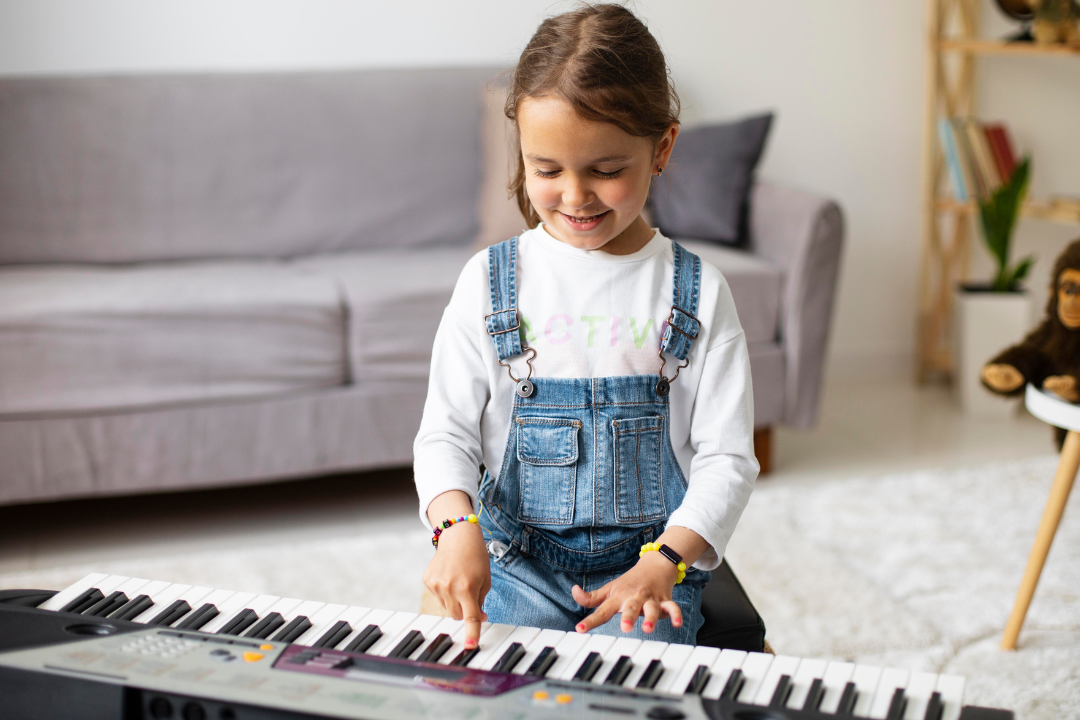
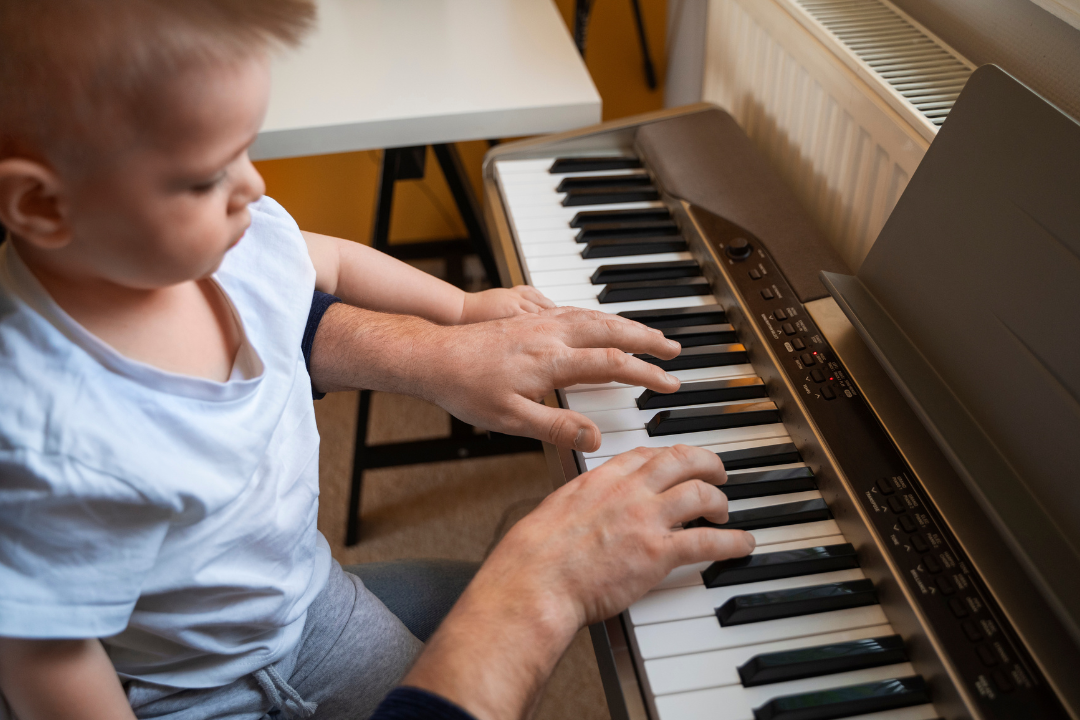
While it is an exciting adventure for both beginners and those learning to play the piano in Singapore, it is also important to note that beginners have endless hopes and aspirations. Some of their aspirations and hopes, in fact, include relaxing and playing their favorite tunes after work, as well as wanting the best for their children. And to begin with, the biggest decision they have to make is this: “Shall I learn to play the piano on my own or through the help of piano lessons?”
Although self-learners may seem to be enjoying greater freedom with their schedule, lessons with a good teacher are far more effective than self-learning overall. Here is why piano lessons for beginners in Singapore outperform self-learning:
Beginners Need Clear Direction (Not Guesswork)
When a beginner learns to play piano, just about everything (notes, hand position, rhythm, and how to sit) is not familiar; therefore, without definite direction, most will go into guessing at what they need to learn next or looking up random things on the Internet to copy. This leads to many beginners having confused minds and slow progress.
With guided piano lessons, piano students can follow a definite lesson plan that helps them know what should logically be trained/learned first, what can be left until later, and what skills build off of previous skill sets they learned. Instead of trying to guess at what song/exercise or technique to practice, the student follows a step-by-step plan to build their confidence.
Bad Habits Are Hard to Unlearn
When learning to play the piano on one’s own, a beginner may not be aware that they are acquiring undesirable habits. For instance, minor errors such as unfavorable hand positions, stiff fingers, and timing problems may gradually become part of the learner’s technique. Although these are minor problems, they may hinder the learner’s progress and the quality of the sound produced in the long run.
However, the greatest problem is the fact that the bad habits will be hard to break. Changing the way the hands move after a while is not easy. Most self-taught beginners in Singapore end up frustrated because they realize that the bad techniques they used are the source of the problem. Such a situation is averted with the guidance of a piano teacher, as the teacher will be able to correct the mistakes before they become a habit. Beginners will thus be able to learn the proper skills from the start to make learning not only easier, faster, and enjoyable but also to make the process smooth.
Accountability Keeps Beginners Consistent
When a beginner is self-learning, they can easily miss their practice time. Weeks go by, and in no time, the beginner stops practicing altogether. Many adult beginners start with excitement and the determination to learn piano, but over time, they give up because there is no one to be accountable to for their progress.
Piano lessons with a teacher give the beginner a sense of responsibility because they know that their teacher wants to see them make progress, and they will be expected to do the same; therefore, they are more likely to practice consistently. With a busy schedule, those adults and children who live and work in Singapore rely on the structure of their lesson times and would be likely to practice regularly because they would like their teachers to be proud of how much playing has improved from week to week.
Teachers Help Beginners Enjoy Music, Not Fear It
Often, the new student enjoys the idea of learning to play the piano. However, without direction and guidance, the interest can quickly escalate to frustration. If the sounds they produce do not seem correct and they’re not moving forward quickly enough, the new student can begin to feel like they’re “not musical” and “not good enough.”
A piano teacher helps remove that fear. Rather than putting pressure on new learners, they instill encouragement, patience, and confidence. Finally, they explain what they did wrong in a friendly way and assure them that mistakes in learning music are common.
When piano lessons are conducted as guided piano lessons for beginners, learners come to enjoy the process or the experience—not just the results. Beginners in Singapore come to enjoy the process of learning, and they are not afraid of making mistakes while playing music because of the positive learning experience offered by the piano lessons.
Personal Feedback Makes a Huge Difference
Every beginner is different. While some have difficulties in rhythm, others may struggle with finger movement and the learning of music notes. However, a beginner learning piano by themselves does not know what they are doing wrong.
A piano teacher gives personal feedback that not only clarifies the learning process but also speeds it up. They listen closely to the student and correct mistakes immediately to ensure that the learning process does not slow down into a habit of frustration.
Feedback is individualized in the case of the guided learning of the piano. This is because the learning style of the teacher is modified to channel the needs of the individual learner. This has the effect of making the beginner learn the piano much faster and more rewarding.
Conclusion
Self-learning piano may teach beginners what keys to press, but guided piano lessons in Singapore teach them how to become musicians. With guidance, beginner piano students gain both musicality and emotional connection that allows them to grow much quicker. deeper and happier in learning than they would without the guidance of another person getting them started on the piano.
In conclusion, guided piano lessons for beginners in Singapore create real progress and confidence for students so that they can develop their piano-playing abilities to last a lifetime and therefore do better than when learning through an independent or self-instructing method.
admin_piano