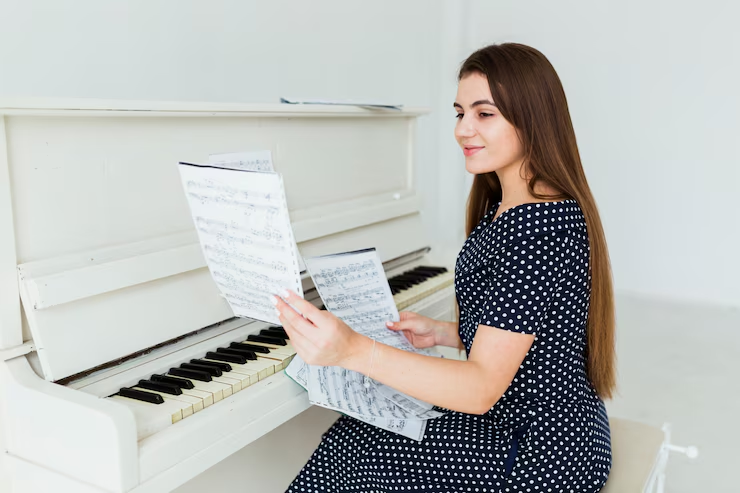
When children start learning piano, many parents eventually wonder whether they should follow the exam route or simply learn for enjoyment. There is no single answer that works for every child because every student learns differently. Some children enjoy having goals and structured progress, while others learn better when lessons feel more relaxed and flexible. Understanding both approaches can help parents choose the path that suits their child best and help them enroll in piano lessons for kids accordingly.
In this article, we will look at how parents can decide between piano exams and non-exam lessons for their child.
The Structured Approach of Piano Exams
Piano exams provide students with clear goals to work towards. Lessons usually follow a syllabus that includes pieces, scales, sight reading, and listening exercises.
For some children, this structure can be very motivating. Preparing for exams often encourages regular practice and helps students develop discipline over time.
Exams may suit children who
- enjoy working towards achievements
- like structured learning
- Stay motivated with clear goals
- respond well to routine and consistency
Some students also become more confident when they complete each grade level.
Learning Piano Without Exams
Not every child enjoys learning under pressure. Some students feel more comfortable learning at their own pace without worrying about assessments or grades. Non-exam lessons often give teachers more flexibility to focus on music enjoyment, creativity, and personal interest. During piano class, students may spend more time learning songs they enjoy or exploring different music styles.
This approach may suit children who:
- learn better in a relaxed environment
- feel nervous about exams
- Enjoy creative learning
- prefer flexibility in lessons
For many children, enjoying the learning process is what keeps them motivated in the long run.
Which Option Is Better?
Neither path is automatically better than the other. What works well for one child may not work for another. Some students thrive with the structure of exams, while others progress more naturally when piano lessons feel less pressured. The most important thing is whether the child stays interested and continues learning consistently.
In many cases, children may even switch approaches over time. A student can begin with non-exam lessons and later decide to take exams when they feel more confident.
Consider Your Child’s Personality
Before choosing a piano exam or a non-exam approach, it is good to observe how your child responds to learning.
Ask yourself:
- Does your child enjoy structured goals?
- Do they get stressed easily during assessments?
- Are they learning piano mainly for enjoyment or long-term progression?
- Do they stay motivated without external pressure?
These small observations can help parents make a better decision to choose piano lessons for kids.
A Good Teacher Makes a Difference
Whether a child takes exams or not, the learning environment matters a lot. A supportive piano teacher can adjust lessons according to the child’s pace, confidence, and personality.
Many parents in Singapore today are also looking for piano lessons that help children enjoy music while building confidence and focus at the same time. At the end of the day, the goal is not only to pass exams but also to help children develop a positive relationship with music.
Conclusion
Piano exams can provide structure and motivation, while non-exam lessons can offer flexibility and creativity. Both paths have their own benefits. The right choice depends on the child’s learning style, personality, and long-term interest in music. When children feel encouraged and comfortable during piano lessons, they are more likely to enjoy learning and continue improving over time.
admin_piano