Discipline is something that doesn’t grow overnight. It is built slowly through small habits, guidance, and efforts. Playing the piano is one of the activities and skills that help in cultivating discipline in young learners. Therefore, piano lessons for kids are becoming every parent’s choice for their children. In cultivating habits like patience, discipline, and consistency among children, piano teachers play a big role. Beyond teaching music, they help children build focus, attention, and discipline.
Here’s how piano teachers in Singapore help build discipline among kids:
Building Start Good Habits
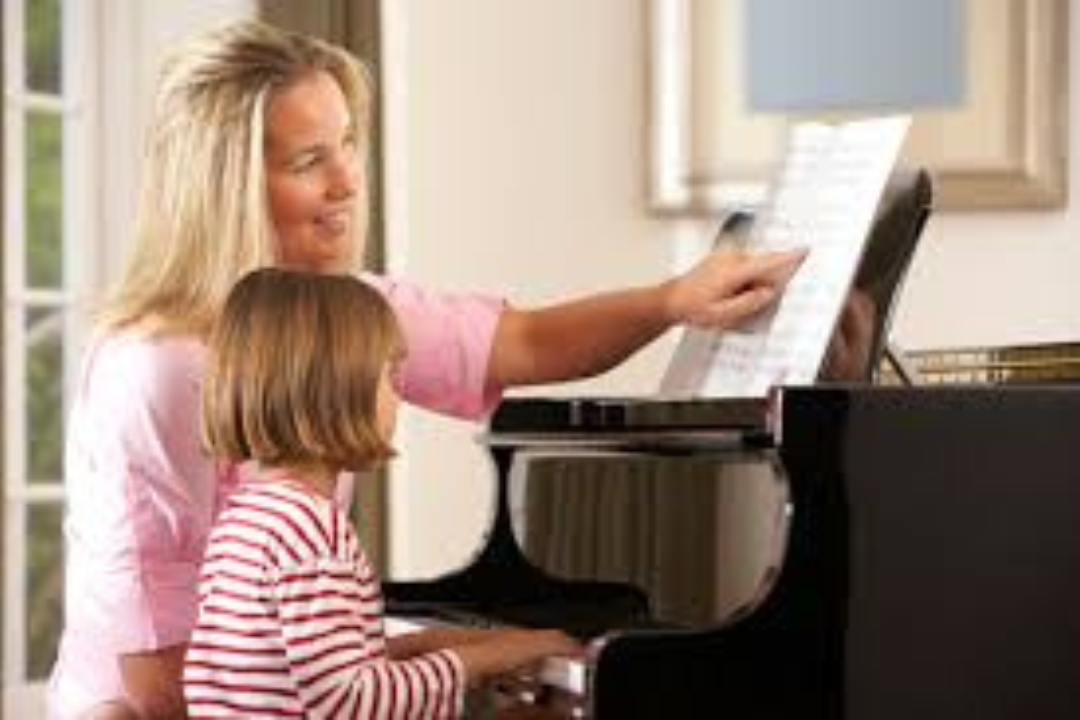
A piano teacher understands that the first few seconds of a lesson are crucial. That’s why they focus on developing strong habits—small actions they perform at the very beginning. Teachers guide their students in adjusting their bench height, warming their fingers with slow movements, and playing a simple scale to settle their hands. By repeating these small actions, students form their routine, which trains their brains to focus. This helps them become more disciplined, calm, and ready to learn.
Using Gentle But Firm Boundaries
Piano teachers in Singapore often balance warmth and structure in a way that helps children feel safe yet responsible. Instead of implementing strict rules, they use gentle but firm boundaries during lessons. These boundaries are keeping eyes on the book while practicing, listening while the teacher demonstrates, and finishing one task before moving to the next one. The teacher calmly communicates these boundaries and gently redirects the students when they get distracted or playful. These soft and steady limits teach children an important form of discipline.
By Encouraging Independent Thinking, Not Just Following Instructions
Piano teachers in Singapore go beyond the traditional approach. They encourage their students to think for themselves instead of simply copying what they are told. They guide them to figure things out on their own by asking them, “How would you fix this tone?” “How can we perform this better?” How do you want this part to sound?. They give the child space to explore ideas. By letting students make choices, a piano teacher helps them become self-directed learners, which is an important form of discipline.
They Guide Children to Manage Frustration
The piano learning journey is not always smooth. Children often feel frustrated when pieces become more in-depth, when their fingers don’t move as they want, or when the piece of music does not sound good. Piano teachers often use these moments to teach emotional discipline. They show students how to take a short pause, try a different approach, and break a hard part into smaller sections. These strategies help children understand that frustration is not a sign to give up, but to change their piano practice approach.
By Recognizing Progress, Not Just Perfection
Young learners thrive and stay disciplined when they feel supported. Instead of focusing on flawless performance, piano teachers in Singapore pay attention to tiny improvements like clearer rhythm, better fingerings, and improvements in posture, even if the song is not perfect yet. This approach teaches students that discipline is not about being perfect every time; it is about showing up and improving step by step. Over time, they develop a healthy mindset, where improvement becomes more important than perfection.
Conclusion
Piano teachers in Singapore don’t build discipline under pressure. Through practical habits, gentle guidance, and emotional support, they help young learners develop discipline in a natural and lasting way. These subtle lessons stay with students beyond piano classes and shape how children approach challenges and responsibilities in their own growth.
admin_piano