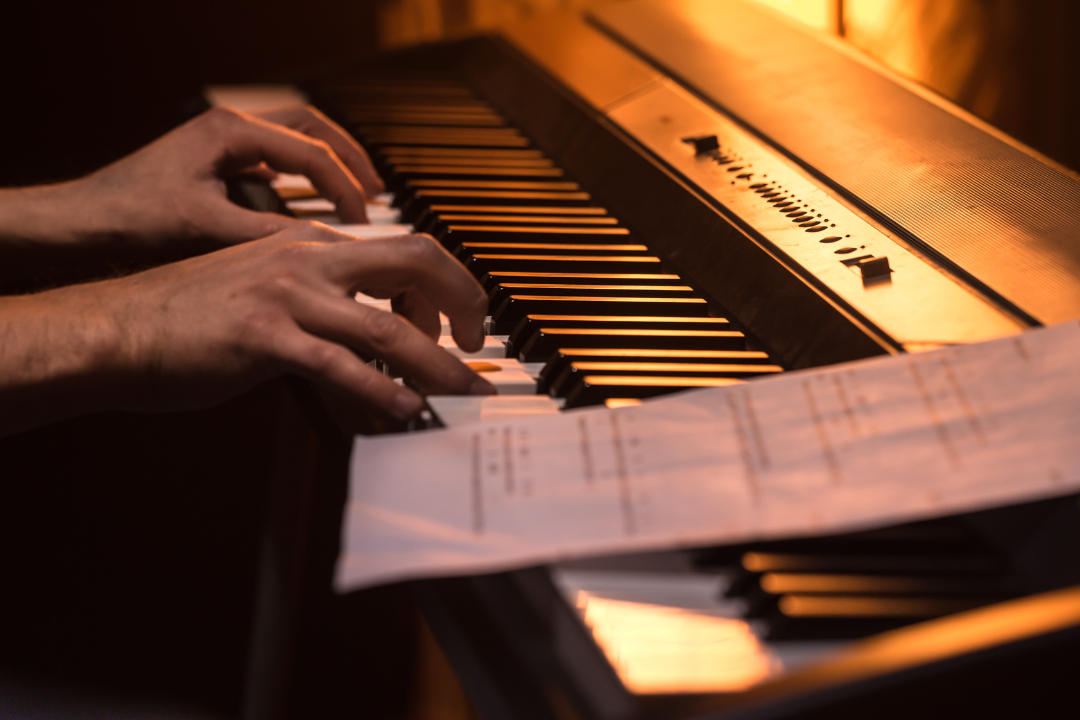
Today’s children live in a fast-paced world. They have a busy routine, school pressure, and digital distractions. Many parents look for activities that help their children grow and give them a space from all these distractions. Among all the activities, piano lessons for kids have become every parent’s first choice. Piano lessons also help in shaping a child’s mental and emotional growth, other than musical advantages.
Let’s look at how piano lessons in Singapore can help in a child’s emotional and mental growth:
Builds Emotional Memory Through Music
Children often connect music with feelings, moments, and memories. When they learn a piano piece, along with notes, they also memorize the emotions they felt while playing. So, even after months, when they play the same tune again, those feelings are remembered again. Piano lessons help children understand the connection between feelings and actions. It helps them understand their inner world better and builds emotional intelligence.
Improves Working Memory Through Multi-Step Thinking
Playing the piano requires the children to do many things at the same time. They read notes, listen to sounds, and move their hands at the same time. All these things happen in a quick and stepwise process. This constant practice strengthens their working memory, which helps us remember information while using it. Over time, children become better at following instructions, solving math problems, and retaining school lessons.
Teaches the Brain to Manage Multiple Emotions at Once
Music is full of mixed feelings. There are soft, gentle sounds in one moment and strong, powerful sounds in the next. While playing piano, children learn to play these emotional shifts, and their brains get better at understanding and managing more than one emotion at a time. It also helps them in managing real-life moments where emotions mix and teaches them to stay calm and respond in a balanced way.
Builds Strong Focus and Long Attention Span
In today’s world full of distractions—videos, notifications, and fast entertainment—children often find it difficult to focus for long periods. When children play piano, they concentrate on reading notes, coordinating their hands, and maintaining rhythm, all at the same time. This repeated practice trains their mind to stay focused for longer periods. Over time, piano lessons for kids help develop a stronger attention span, which also supports schoolwork, reading, and other daily activities.
Reduces Emotional Overload
Children today often experience more emotions than they know how to handle—school stress, family expectations, and digital overload. All these feelings leave them overwhelmed. Piano lessons give children an outlet to release their emotional pressure. When children play piano, their mind shifts away from stressful thoughts and gets into the rhythm of music. As children practice regularly, they use the piano as a tool to manage tough emotions. Piano lessons not only reduce emotional overload but also teach a way to cope with lifelong stress.
Conclusion
Piano lessons are more than training; they are an investment in a child’s emotional and mental well-being. They help children understand themselves, express feelings, and build focus. Whether your child dreams of becoming a future pianist or simply enjoys playing piano, the emotional and mental benefits stay with them lifelong and help them in other areas of life, too. As a parent, if you are looking for a meaningful way to support, then piano lessons for kids might be the right choice.
admin_piano