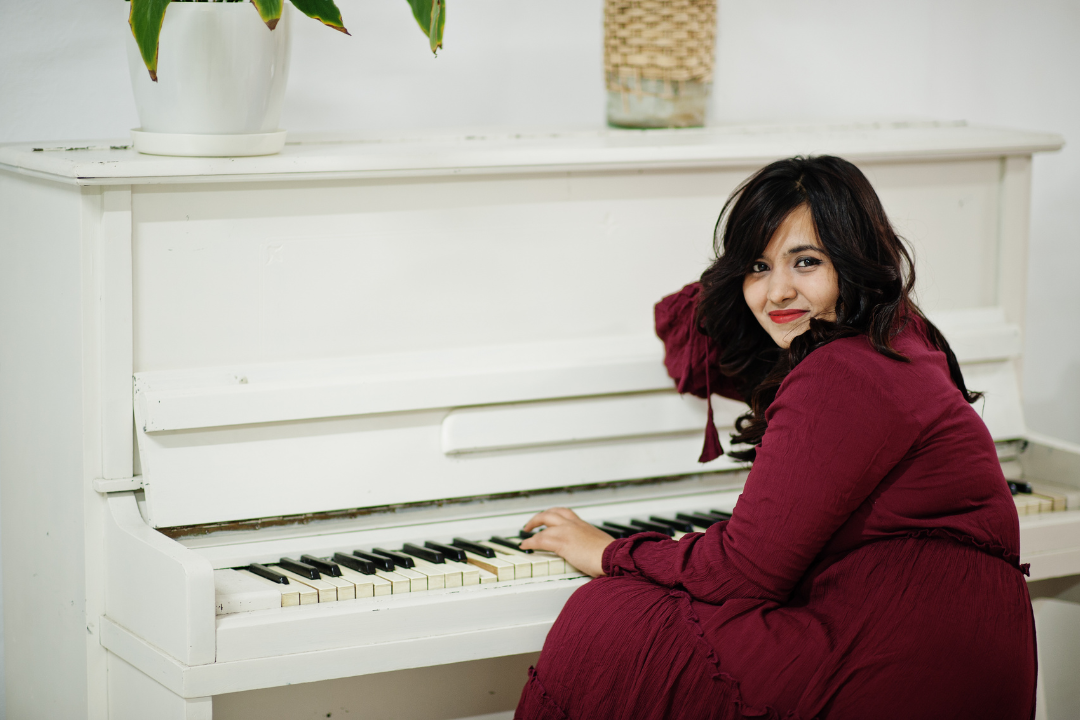
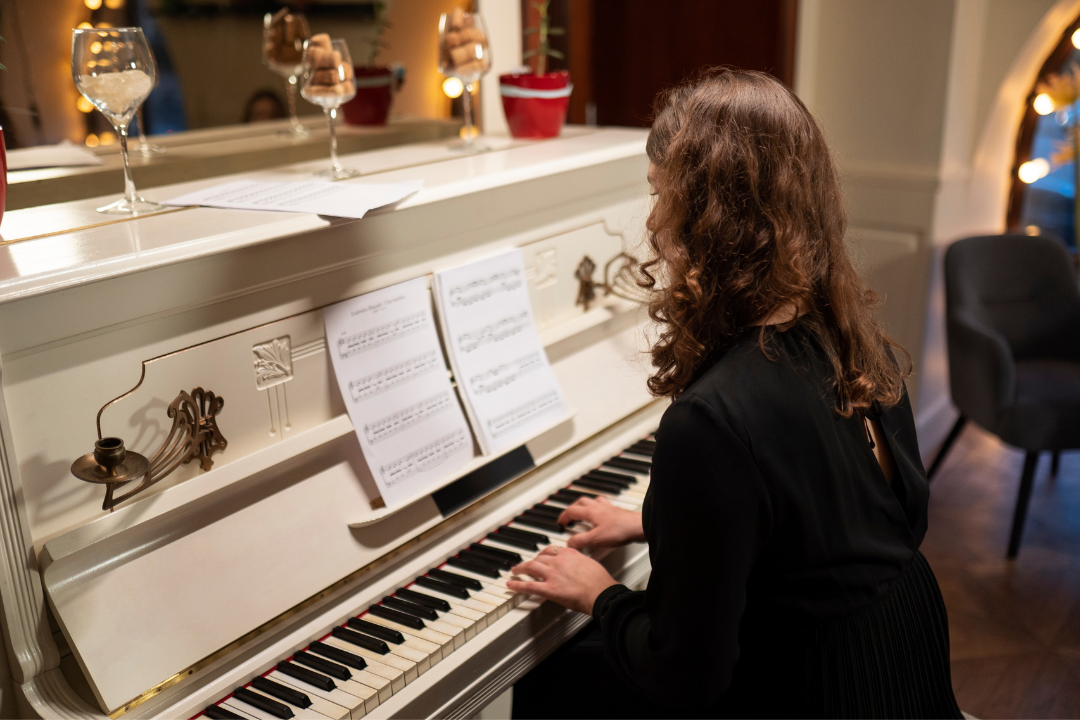
Many people assume that piano exams are the main and only way to measure a student’s progress. Because of this, when a student is not taking exams, it is easy to think that they are not improving or moving forward. But piano learning doesn’t really work that way. In fact, many students in Singapore learn piano without taking exams and still make steady, meaningful progress over time. The learning journey is just measured differently.
Progress is often gradual and not always visible
In piano learning, progress usually happens step by step. It is not always something like passing a grade or receiving a certificate. A student may slowly become more comfortable with reading notes. Their rhythm may become more stable. They may start playing with fewer pauses or hesitations. These improvements may seem small at first, but they clearly show that learning is happening. Over time, these small steps build a strong foundation.
Learning without exams feels less rushed
When exams are not part of the learning process, students often feel less pressure during piano lessons. They don’t need to worry about deadlines, exam pieces, or performance expectations. This allows lessons to feel more relaxed and natural. Students can spend more time understanding the music instead of rushing through a syllabus. Many learners actually respond better when they are allowed to learn at a comfortable pace.
Teachers still provide structure and direction
Even without exams, piano lessons are not unstructured. A good piano teacher still guides students step by step. This includes technique, finger control, note reading, rhythm, and musical expression. The difference is that lessons are adjusted based on the student’s pace rather than an external exam schedule. Some students may need more time to strengthen basics, while others may move ahead faster. The teacher adapts accordingly. This kind of personalized approach often helps students build stronger long-term skills.
Every student has a different learning pace
It is normal for students to learn at different speeds. Some pick things up quickly, while others need more repetition and practice to feel comfortable. Neither is better or worse — it simply depends on the individual learner. Without exam pressure, students are given the time they need to understand properly before moving on. This often results in more stable and confident learning over time.
Confidence grows through comfortable learning
Progress in piano is not only about technical skills. Confidence plays a very important role as well. When students are not focused on exams, they often feel more relaxed during piano classes. They are less afraid of making mistakes and more willing to try new things. Over time, this helps them become more confident in playing and expressing music. Confidence also encourages students to continue learning for a longer period, which naturally supports steady progress.
Learning piano is also about enjoyment
For many students, especially kids and adults, the piano is not just a subject or activity. It is also a creative and enjoyable activity. When lessons feel enjoyable, students are more likely to practice consistently and stay motivated. This consistency is often more important for progress than exams themselves.
Conclusion
‘“No exams” does not mean “no progress” in piano learning. Students can still grow steadily with the right guidance, regular practice, and a comfortable learning environment. In many cases, removing exam pressure actually helps students enjoy music more and stay committed to their learning journey. Ultimately, progress in piano is not only about grades but also about confidence, consistency, and a genuine connection with music.
admin_piano