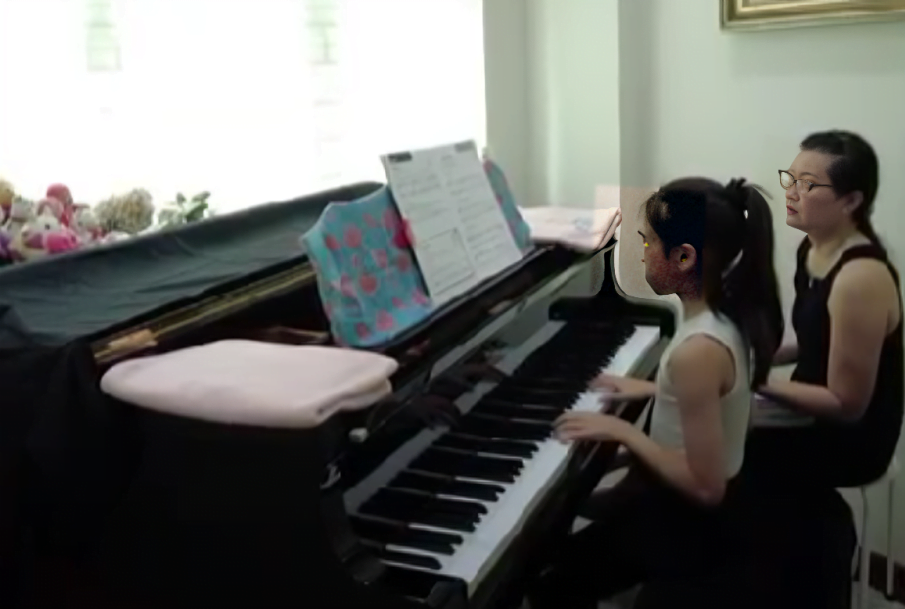
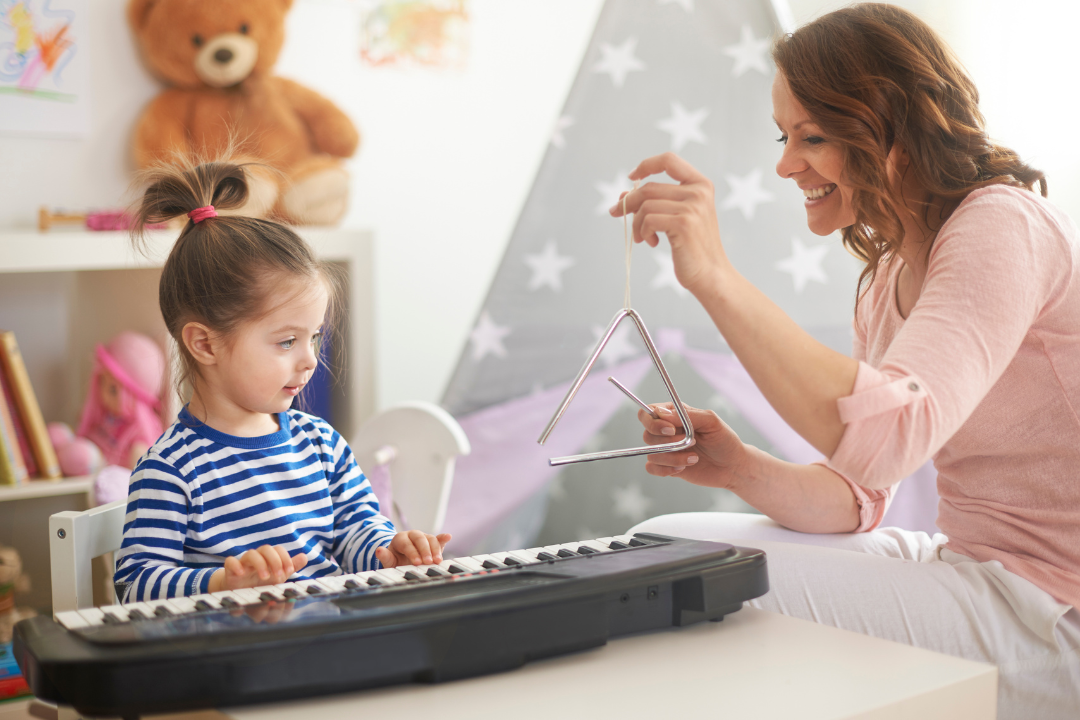
For many parents, enrolling a child in piano lessons is an exciting decision. At the same time, however, it raises several other important practical issues:
Will my child like playing the piano?
Will he/she remain consistent with it after the initial weeks or months?
Is it worth spending time and money on lessons if they are still so young?
These are common concerns, especially for parents who introduce their kids to the world of music for the very first time.
The answer is not simply about whether a child becomes a skilled pianist. Instead, it is about the experience they gain while learning and whether those experiences continue to benefit them as they grow.
In this article, we will explore why many parents see piano lessons for kids as a worthwhile investment.
Learning Piano Is About More Than Playing Songs
When children first begin piano lessons, many parents naturally focus on the musical side of learning. They are excited to hear their kid play recognizable tunes and eventually gain new abilities. Over time, however, they begin to understand that playing piano includes far more than just mastering tunes.
Children learn how to concentrate while listening to instructions, solve minor problems on their own, and patiently practice until they feel confident with the tune. These habits develop gradually through regular lessons and practice, often becoming part of the learning process.
Progress Happens One Step at a Time
The fact is that some children learn quickly, while some need more time to be ready. This is normal. There are always some parents who demand certain results after a couple of lessons; however, learning a musical instrument is usually a gradual process.
Slow but steady improvements will soon be noticeable. The kid can read better, play at a regular tempo, or try something without hesitation. These gradual improvements often build a stronger foundation than rushing through lessons.
Confidence Usually Builds Up Over Time
One of the rewarding parts of learning the piano is seeing children become more confident in their own abilities. At the beginning, many students lack self-confidence and worry about making mistakes. However, as the classes continue, they start becoming more confident, trying new pieces, correcting themselves, and playing confidently.
This confidence develops because children make constant progress through consistent practice and not from the expectation of immediate results.
Every Child Has Their Own Learning Journey
Every child does not have the same reason to begin piano lessons. Some enjoy music from an early age. For others, they are inspired by a friend who plays the piano or because their parents would like them to explore a new activity. Their progress may also look different.
Some will enjoy getting to piano exams, and others will simply love learning music. There is no right or wrong way. What matters most is finding an approach that allows children to continue learning with interest and confidence.
The Value Goes Beyond the Lesson
Parents often think about the cost of piano classes for kids before enrolling their child. This is quite natural because learning an instrument is both an investment and a commitment in terms of time.
However, with time, many families start appreciating something else. They see their child gaining independence with every practice session, improving their focus, and being proud of mastering pieces that were considered complicated. These moments are not measured by certificates, but they often become some of the most rewarding parts of the learning journey.
Choosing the Right Teacher Matters
Whether a child is learning for enjoyment or working towards long-term musical goals, the piano teacher plays an important role in shaping the experience. Children are more likely to remain motivated in their lessons when they learn at a pace they feel comfortable with and have the freedom to ask questions without fear of making errors.
A supportive learning environment often encourages children to love music as they become skilled in it gradually.
Conclusion
So, is piano worth the investment for children?
For many families, the answer goes beyond learning to play an instrument. Piano lessons allow kids to develop patience, confidence, motor skills, problem-solving skills, and an admiration for music that lasts a lifetime.
Every child’s journey is different, but when lessons are enjoyable, well-paced, and suited to the individual learner, it ends up being more than just a music investment.
admin_piano