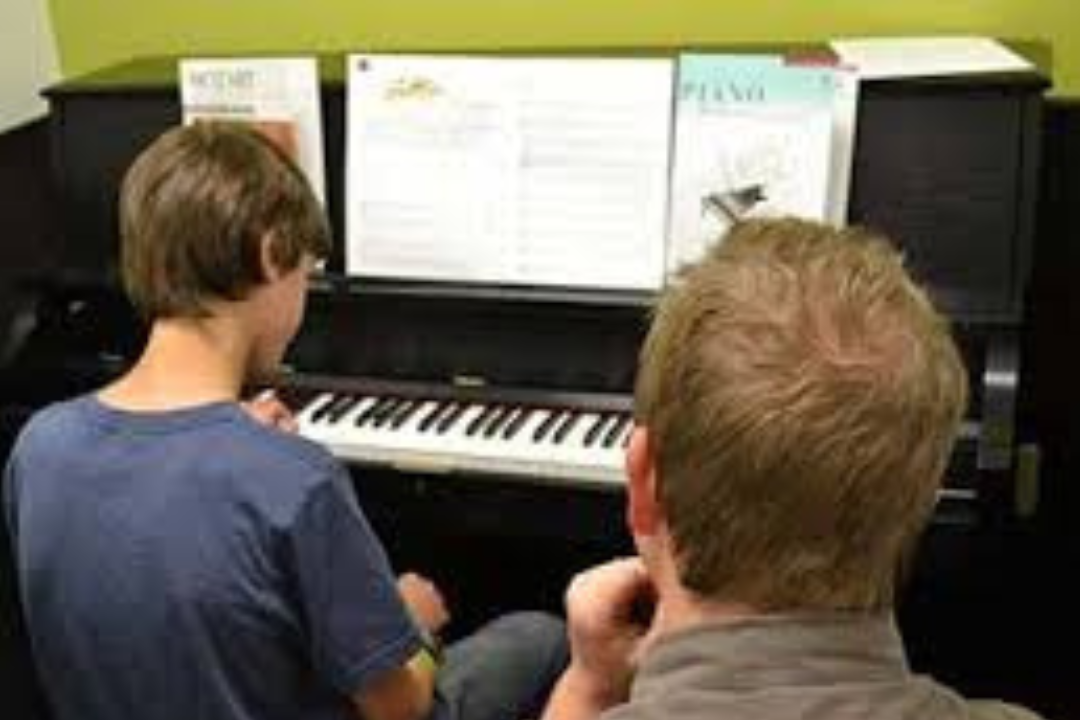
When parents first inquire about piano lessons, the conversation often starts with exams. They ask how far along their child is, how much time they would need for each level, or even if examinations are a must right from the start. All these questions are completely normal. Piano exams have been part of music education for a long time, and many parents believe that exams are just a part of learning to play the piano. However, it has been noticed that the conversation would gradually shift once lessons started taking place.
As students become more comfortable with the piano, the focus of the parents will shift to areas that could not be covered through an examination result. In this article, we will explore some of the meaningful changes parents often notice as their children continue learning the piano beyond examinations and grades.
Small Changes Are Often the First Signs of Progress
Parents sometimes expect progress to appear in obvious ways. This would be in the form of another certificate or another grade. In reality, the first signs of progress are usually very subtle. It is when a child who once needed help to find the right notes starts to read music on their own that you can tell there has been an improvement. Or when one who used to stop after every few notes now starts to play without stopping. Progress sometimes comes in the form of confidence. It is when a learner who never played in front of anybody now wants a parent to hear what he has just been working on.
Practice Starts to Feel Different
There’s one more thing families often notice after enrolling their children in piano lessons for kids. Rather than practicing simply because they have been reminded, there are some students who begin sitting at the piano on their own. It may only be for a short time. They might play a favorite song before dinner or revisit a piece they enjoyed during the previous lesson. This is what parents often shared as being the most surprising thing for them. This is one thing that piano teachers always hope for since it lasts longer than any motivation for an upcoming test.
Not Every Student Enjoys the Same Journey
Over the years, as a piano teacher in Singapore, I have taught students with very different personalities. Some enjoy having a clear goal. It is good for them to study for their exam because it provides them with an actual goal to achieve. Others gain confidence in more informal piano classes. It is fun for them to try out new pieces, learn some melodies that they already know, or spend some extra time on difficult subjects. Both approaches are good. What is necessary here is knowing how to motivate students to keep learning.
Good Teaching Is Not Defined by Exams
Whether a student decides to take piano exams or not, the basics will always be the same. In piano lessons, students continue learning how to read music, how to play using proper techniques, how to listen well, and basic rhythm knowledge. However, the difference is that the speed of the lessons does not necessarily need to be exactly the same for all the students. Sometimes spending a little longer on one piece helps a student build confidence before moving on. At other times, introducing music that a student genuinely enjoys can make them more interested in practicing between lessons.
Looking Beyond the Next Grade
It is natural for parents to feel excited when their child passes an examination. At the same time, many other moments are equally rewarding. A child who begins practicing without reminders, a student who feels more confident trying new pieces, or an adult learner who looks forward to each lesson are all meaningful signs of progress. While these milestones may not come with certificates, they often show that a genuine interest in music is gradually developing.
Conclusion
There remains no doubt that there are many benefits of having a piano exam, and it may be a useful goal to have during the entire process of learning piano. On the other hand, sometimes the best things happen outside the examination room. The more confident a student becomes, the more he or she starts enjoying the process of playing the instrument itself, without being afraid of making mistakes.
admin_piano